One of the most powerful (and most misunderstood) features of AI body editing is the prompt. The words you type don't just tweak the result — they fundamentally change the entire output.
To prove this, we ran the same photo through AI Body Editor with two very different prompts. The results speak for themselves.
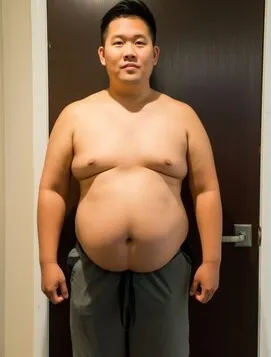
The Original Photo
We started with a normal, unedited photo of an Asian male — no filters, no preparation.
Prompt 1: K-pop Aesthetic
Prompt: "Transform into a K-pop idol physique — lean, defined abs, slim waist, proportional muscle, clean aesthetic look"
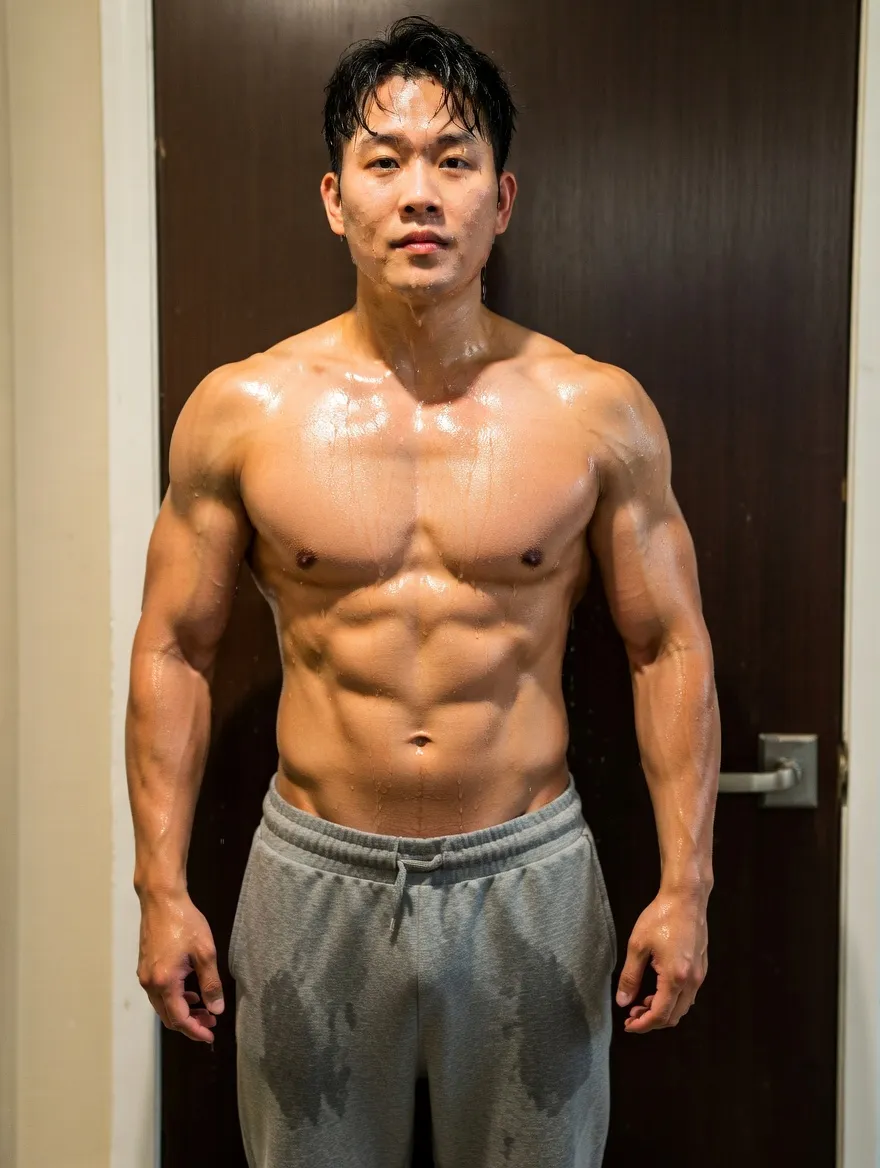
The AI produced a lean, proportional build — visible abs, slim waist, toned arms. This is the "idol" look popular in Asian fitness culture: muscular but not bulky, aesthetic but not overdone.
Why this works: The prompt explicitly asks for "lean" and "slim" — the AI interprets this as reducing overall body mass while adding muscle definition. The word "K-pop" acts as a style anchor, steering the output toward Asian beauty standards.
Prompt 2: Decades of Training
Prompt: "Make him look like someone who has been training in the gym for decades with clear training traits and a muscular body"
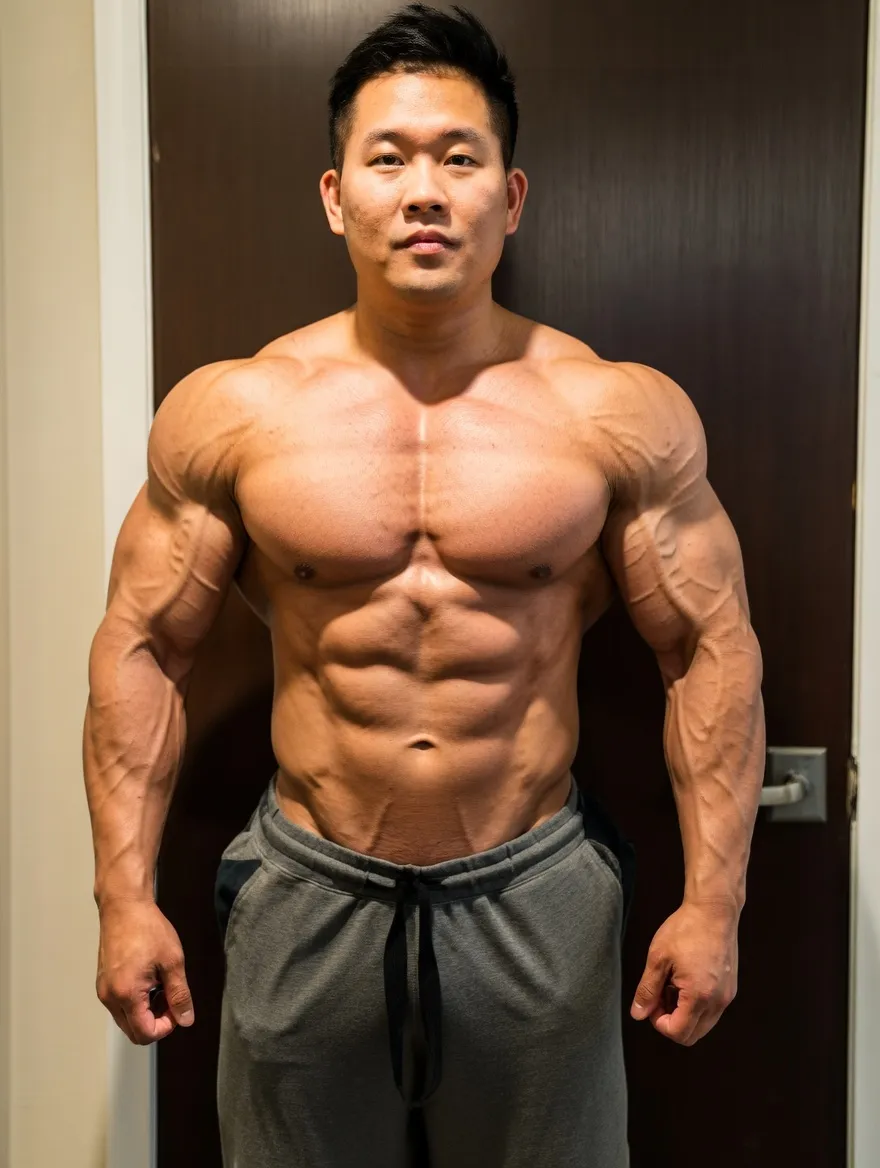
The AI produced a massive, competition-ready physique — thick traps, cannonball delts, deep chest separation, and vascular forearms. This is the "classic bodybuilder" look that takes years of dedicated training.
Why this works: "Decades" and "gym" tell the AI to maximize muscle mass. "Clear training traits" signals visible markers of long-term lifting — trap development, shoulder width, and overall thickness that only comes with years of progressive overload.
Same Photo, Completely Different Results
| Aspect | K-pop Prompt | Decades Prompt |
|---|---|---|
| Overall size | Lean, slim | Massive, thick |
| Shoulders | Proportional | Oversized delts |
| Abs | Clean six-pack | Deep-cut blocks |
| Traps | Minimal | Very prominent |
| Aesthetic | Modern idol | Classic bodybuilder |
The difference isn't subtle — it's two entirely different body types from the same starting photo. The AI didn't just "add muscle" — it interpreted two different fitness cultures and produced results that match each one.
Tips for Writing Better Prompts
Based on this experiment, here's what we learned about prompt engineering for body editing:
1. Be Specific About Style
"Make me muscular" is vague. "K-pop idol lean physique" or "classic bodybuilder with decades of training" gives the AI a clear target.
2. Use Cultural References
Words like "K-pop," "fitness model," "powerlifter," or "swimmer's build" carry implicit meaning the AI understands. They act as shorthand for complex body compositions.
3. Describe Proportions, Not Just Size
"Big muscles" tells the AI nothing about balance. "Broad shoulders with a slim waist" describes a ratio. "Massive traps and delts" specifies which muscle groups to emphasize.
4. Include Training Context
"Has been training for decades" produces a very different result than "just started working out." The AI uses time references to calibrate how developed the physique should be.
Try It Yourself
Upload your own photo and experiment with different prompts. You'll be surprised how much the wording matters.
- Try Body Reshape → — 1 free edit, no signup
- See More Examples → — Browse before & after transformations
- Get 5 Edits for $0.99 → — First-time deal